
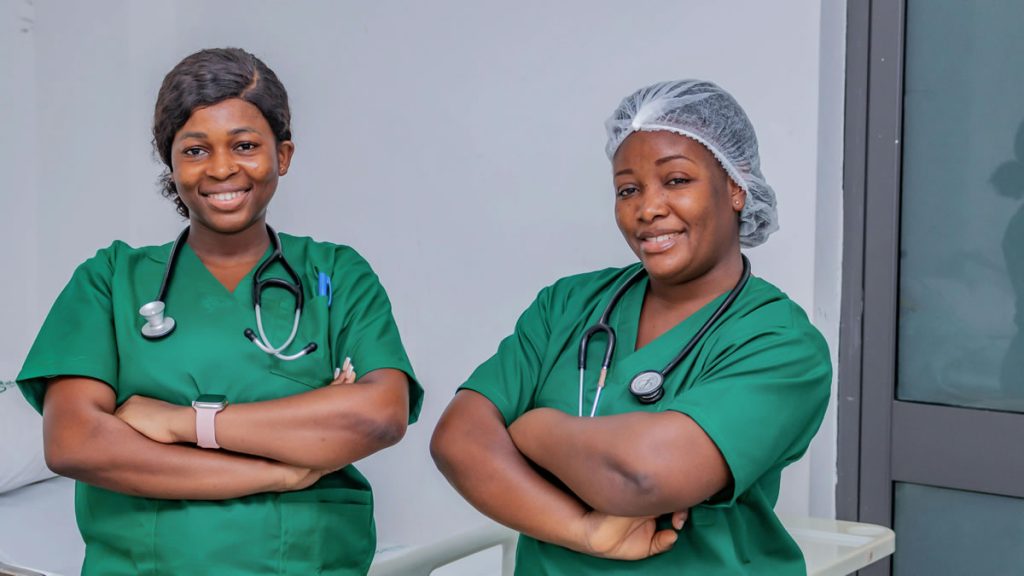
What Is Primary Care Nursing — and Why It Matters
Primary care nursing is the kind of nursing that happens at the heart of communities — in local clinics, health centers, outreach programs, and even in people’s homes. As a primary care nurse, you don’t just treat sickness; you’re a first point of contact. You do health promotion, prevention, education, and management of common illnesses. You are often the face of healthcare for people who might never see a doctor unless referred.
If you’re a nurse or planning to become one in Zimbabwe, working in primary care offers purpose, variety, and stability. You’ll impact families directly, educate patients, and help prevent disease rather than just react to it. And the demand for skilled primary care nurses is real — in Zimbabwe and in many other countries.
Why Choose Primary Care Nursing
Let’s be honest: nursing in hospitals is important, but primary care nursing offers a different kind of reward:
- You build relationships. In a primary care setting, you often see patients regularly, follow up with families, and treat chronic illnesses.
- You do a lot of prevention. Rather than waiting for disease to happen, you help people avoid it. Your work can mean fewer hospital stays, less suffering, and a healthier community.
- It’s diverse. One day you might counsel a mom on vaccination, another day you’re teaching a man managing hypertension, and on another you’re doing outreach in a rural clinic.
- Work-life balance can be better than some hospital roles. While not always easy, primary care roles might offer more predictable shifts.
- There are opportunities abroad. Countries with strong primary care systems, especially where community health is prioritized, value nurses with primary care experience.
Steps to Becoming a Primary Care Nurse in Zimbabwe
Step 1: Start with the Right Nursing Qualification
To become a primary care nurse, you must first train as a nurse.
- Decide whether to become an Enrolled Nurse (EN) or Registered Nurse (RN). If you’re serious about primary care and want to have broader responsibility or eventually move into supervisory or specialized roles, a Registered Nurse qualification is likely best.
- Enroll in a recognized nursing school or college in Zimbabwe. Make sure your curriculum covers key areas: community health nursing, public health, anatomy, physiology, and health education.
- Engage actively with both theory and practice. Community health nursing is not just about reading — you’ll benefit a lot from hands-on practice in clinics, health centers, and rural outreach.
Step 2: Gain Experience in Healthcare Settings
After qualifying as a nurse, gathering practical experience is crucial.
- Work in a clinic or health center. Apply for nursing positions in outpatient clinics, polyclinics, or rural health centers where primary care is done.
- Volunteer or do rotations in community health programs. These might involve immunization drives, maternal health days, HIV counseling, or home visits.
- Get involved in public health outreach. Many NGOs or government programmes run community health days, screening for chronic diseases, or health education in rural communities.
- Build relationships with community health nurses and public health practitioners. They will be your mentors and help you understand real challenges and rewards.
Step 3: Specialise or Gain Additional Skills
Once you have solid nursing experience, you can move into a dedicated primary care role or build specific expertise.
- Take continuing professional development (CPD) courses in community health, health promotion, chronic disease management, or family and maternal health.
- Learn to run health education programs — how to teach, how to make materials, how to run group sessions for patients.
- Train in non-communicable disease (NCD) management — many primary care roles require you to manage hypertension, diabetes, asthma, or other chronic illnesses locally.
- Learn epidemiology basics — it helps you understand patterns of disease in communities, and to design or take part in screening programs or health interventions.
- Gain leadership skills — if you want to lead a clinic, coordinate community outreach, or manage primary care teams, you’ll need people, communication, planning, and management skills.
Step 4: Build a Strong Professional Portfolio
If you are serious about primary care nursing as a career — especially if you want to work abroad eventually — document everything.
- Record your clinical work in primary care settings (immunization, home visits, screenings, patient teaching) in a portfolio.
- Write about health education projects you’ve led or contributed to, and what outcomes you saw (for example, screening numbers, knowledge gained).
- Get reference letters from supervisors, community health managers, clinic in-charges, or nursing mentors.
- Include CPD certificates and proof of any training you’ve done.
- If working abroad, compile your qualifications, experience, and references in a way that foreign employers or regulators can easily verify.
Step 5: Explore Working Abroad (If That’s Your Goal)
Primary care nursing is valued in many countries, and your community health experience can be a real asset.
Research Which Countries Are Hiring Primary Care Nurses
Some countries value community and primary care nurses deeply — especially where primary healthcare is considered the backbone of the system. Examples include:
- United Kingdom — NHS trusts often recruit nurses for community services, clinics, and community nursing roles.
- Canada — Many provinces have strong primary care systems and programs that need experienced nurses.
- Australia / New Zealand — Community nursing, public health nursing, and outreach roles are available and sometimes part of immigration pathways.
- Ireland — There is need for community nurses, health visitors, and public-health-trained nurses.
- United States — Community clinics, mobile health units, preventative care organizations, and government health programs hire primary-care nurses.
Understand Licensing & Registration Overseas
- Look at the regulatory body for nurses in your target country (e.g., Nursing Council, Nursing Board).
- Check English language requirements (IELTS, OET) if needed.
- Prepare your work history and qualifications for verification — you may need to show proof of work in primary care settings.
- Apply for relevant visa or work permit programs (e.g., Skilled Worker, Community Health Worker Visas, or permanent residency programs).
Apply and Move
- Search and apply for nursing jobs that mention “community nursing,” “primary care,” “public health nursing,” or similar.
- Use trusted recruitment agencies (with good reputations) if needed, but verify their credentials carefully.
- Submit your application, secure a job offer, and then apply for the visa or work permit for that country.
Step 6: Grow Your Career in Primary Care Nursing
Being a primary care nurse doesn’t mean staying small — there is room to grow and lead.
- Take on supervisory roles in clinics or community health programs. Become a senior nurse or community program lead.
- Work on health education campaigns in communities: schools, churches, informal settlements.
- Get involved in research or data collection: primary care settings are great for tracking disease patterns, patient outcomes, and community needs.
- Mentor newer nurses or volunteers interested in community health. Teach them how to run outreach, educate, and screen.
- Advocate: help influence health policy or funding at the community level by showing the value of primary care.
Challenges You’re Likely to Face — and How to Handle Them
Limited Resources
Many clinics in Zimbabwe lack equipment, drugs, or consistent supplies.
How to cope: Be adaptable. Learn to work with minimal resources. Develop strong problem-solving skills. Advocate for improvement where you can.
Heavy Workload
Community clinics may be understaffed. Home visits, immunization days, and screenings can stretch you.
How to cope: Organize your time well. Build a support network. Work smart by prioritizing high-impact activities.
Low Pay
Primary care roles might pay less than hospital nursing roles, especially in public clinics.
How to cope: Negotiate where possible, or look for roles with NGOs, international partners, or donor-funded programs that offer better compensation.
Burnout and Stress
Constant outreach, long hours, and emotionally demanding work can wear you down.
How to cope: Practice self-care, set boundaries, debrief with colleagues, and invest in mental health.
Migration Paperwork Overwhelm
Applying to work abroad is complex — with licensing, visas, and application fees to manage.
How to cope: Start early. Gather your documents over time. Consult official regulators or qualified advisers. Save for cost and possible delays.
Why Primary Care Nursing Is a Smart, Meaningful Choice
- You become a pillar of community health. As a primary care nurse, your work is preventative, proactive, and deeply impactful.
- Your role is highly respected in your community. Patients will trust you, and you will build long-term relationships.
- There’s international demand. Global health systems are recognizing that primary care is their foundation, and nurses with community experience are valuable.
- It’s a flexible career. You can switch between clinics, outreach programs, NGOs, health ministries, or even teach.
- You help strengthen Zimbabwe’s healthcare system. By working in primary care, you contribute to reducing hospital admissions, managing chronic illness, and promoting public health.
Final Advice: Think Big, Act Responsibly
If you’re passionate about health, people, and prevention — primary care nursing is a deeply rewarding path. But don’t take a shortcut based purely on hype. Build your skills, train well, create a portfolio, and make decisions with your long-term life in mind.
- Set realistic goals: “Work in a local clinic,” “Lead community health programs,” or “Migrate with experience.”
- Invest in yourself: Take CPD courses, learn community health, lead education sessions.
- Build relationships: Mentors, public health nurses, community health workers — they’ll help you grow.
- Be financially prepared: Save for training, applications, and possible relocation.
- Stay grounded: Whether you continue your work in Zimbabwe or abroad, your primary care nursing experience will always be valuable.
I applied for the for the Sept intake and they invited me to the interview s unfortunately didn’t make it, mmmmm I want to train as a pcn so when will be the next intake, please keep me posted
how many hours of PCN do i have have to take to qualify as a PCN?
I hope you didn’t lose hope Vivian, keep trying my sister , your education can be your children’s future
Hey .. could you help me on how you contacted them and applied please….my app # +263719945636
Thank you but can l get a PDF please on my number on this article 0733264938
Hi Stephen. You can download PDF directly from within the post.
When is the next intake of PCN TRAINING and where do Tey post the advert
WHEN IS THE 2022 PCN INTAKE
When is the 2022 PCN intake ?
If you could please update me on my WhatsApp number +263719945636
This is my dream job hey
I’ve applied so many times i hope one day the Lord will make it happen
When is pcn 2023 intake ???
Please let me know .
And the other why is it like pcn when they recruite they just take those with 39 years and above what about with 2p years
thanks for the information about upgrading .. l heard otherwiese